Quotation scope

large format sublimation printer

A large format sublimation printer request fails when two sellers price different widths, different take-up gear, and different freight. This page is the normalization step. It tells a buyer which fields to freeze before factories are asked to answer. It does not select a plant and it does not publish a rate.

Start from the roll or sheet you must run. Write print width in inches or millimeters, the media, and whether the job is transfer paper or a direct fabric path. Then freeze quantity and the US destination so incoterm and crate size sit on the same sheet as the machine.

Prepare a Comparable RFQ
  1. Configuration Model, print width, colors, RIP
  2. Quantity Units now and any repeat forecast
  3. Destination US dock, incoterm, crate limits
  4. Files Drawing, datasheet, test record
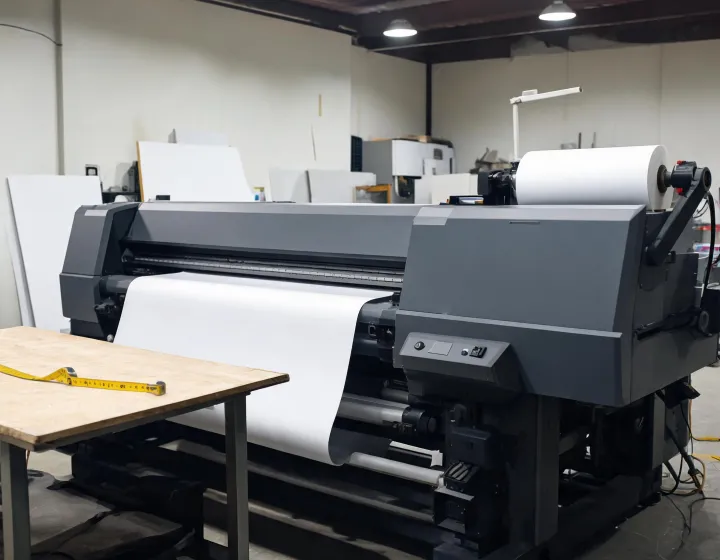
Roll-fed sublimation printer in a sign shop with paper on a take-up

Evidence to request for the proposed model

Every cell below is a question for the supplier who names a model. A brochure family page is not a substitute. If the seller cannot tie the paper to the exact configuration, record the gap instead of filling it from another machine.

Topic What to ask Who answers
Print process Disperse ink path, transfer or direct, and the media used in the stated throughput Proposed supplier, on the quoted model
Printable media Paper weight or fabric type, max width, and any coating limit Proposed supplier, with the test basis
Drawing Footprint, service access, and crate size for the named width Proposed supplier drawing, revision visible
Electrical Input voltage, frequency, phase, and rated power Nameplate data for that configuration
Test record Resolution, speed, and duty cycle conditions, plus a factory acceptance test if you intend to buy one Supplier, naming the file and media
Certificates Which marks apply to this model, and the page that lists the model Issuer document via the supplier, not this desk

Repeatability of color across a 1.6 m roll is a test question, not a slogan. Ask for the chart, the RIP settings, and the ambient temperature during the run. Ingress protection is rarely the deciding line on an indoor textile printer, but if the room is humid or dusty, ask whether any stated enclosure rating exists for that model and treat silence as unknown.

A second split is standard configuration versus a path built for one fabric. The standard-width argument is fewer special parts and a shorter question list. The application-specific argument is that a coated textile or an odd roll core will not run on that standard path, so the deviation belongs in the quote. Write which difference is mandatory. Do not let a seller decide it by omitting the line.

Consumables and a spare parts list should name ink channels, such as a 4-color or 8-color set, and the maintenance kits for the first six months if you want them priced. Preventive maintenance intervals belong in the same pack so a low machine price is not compared with a quote that already holds ink and service.

The same discipline is used on the inquiry configurations and on the selection trade-offs. The procurement brief is the long form of this matrix.
Scope questions that change a large-format quote

What if one seller includes the take-up and another does not?

Split the line. Price the printer, the take-up, and the freight as separate rows, then add them yourself. Do not average the two totals. A missing take-up is a specification deviation until the seller adds it in writing.

Should RIP and a color chart travel with the machine?

Write the control interface you already run. If the quote assumes a RIP you do not own, that seat is an extra line. A chart printed at 360 dpi is not evidence for a job you will run at a finer setting.

How should heat assistance be treated?

A calender or a heat press is not automatically part of a printer quote. Name curing or heat press as its own device, with its own utilities requirement and its own crate. Throughput of the printer means little if the press is the slower step and nobody wrote that down.

Can two destinations share one quotation?

No. Freight, duties, and the service visit change with the US destination. Ask for one destination per sheet. A second dock is a second comparison, even when the printer model string is identical.

Freeze these fields, then ask for factory quotes

  1. Large-format width, media, and process
  2. Included accessories versus exclusions
  3. Quantity, currency, and whole-order or per-unit budget if you have one
  4. Destination, incoterm, and requested timing
  5. Documents you will accept as model-specific

Supplier preference can be high-end, mid-range, budget, or still undecided. That note tells the desk how to present options. It is not a rank of factories and it does not require a live price before you write.